

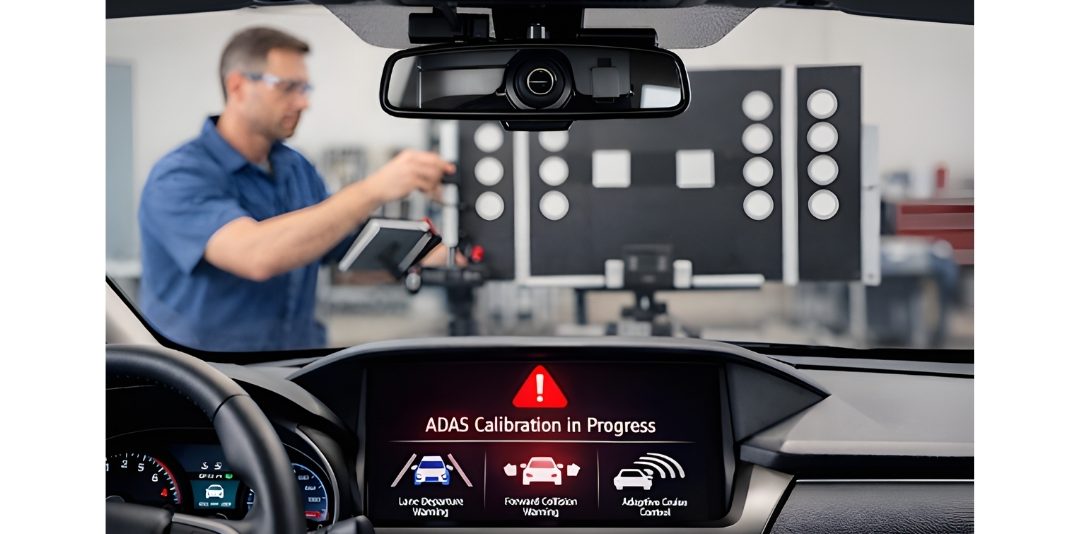
Modern vehicles are equipped with advanced safety technologies designed to help drivers avoid accidents and stay safer on the road. Many of these features rely on cameras and sensors mounted behind the windshield.
When the windshield is replaced or even slightly repositioned, the alignment of these cameras can change. This is why recalibrating vehicle safety cameras is essential after any glass replacement.
Professional auto glass specialists, such as In N Out Auto Glass, emphasize the importance of recalibrating safety systems to ensure they continue functioning accurately.
In this guide, we’ll explain why recalibration is necessary after windshield replacement, how the process works, and what drivers should know to maintain their vehicle’s safety systems.
What is ADAS and why do cameras matter?
ADAS stands for Advanced Driver Assistance Systems. These systems use cameras, sensors, and radar to monitor the vehicle’s surroundings and assist drivers in making safer decisions.
Many modern vehicles rely on windshield-mounted cameras to support safety features.
Common Driver Assistance Features
Examples of camera-based systems include:
- Lane departure warning
- Lane keeping assistance
- Forward collision alerts
- Automatic emergency braking
- Adaptive cruise control
- Traffic sign recognition
These technologies rely on precise camera positioning. Even a small change in alignment can affect how accurately the system reads road conditions.
Why windshield replacement affects camera alignment
The front windshield often holds the camera that powers several driver assistance features.
When the windshield is removed and replaced, even slight changes in positioning can impact camera accuracy.
Factors that can affect camera position
- Slight differences in glass thickness
- Camera bracket repositioning
- Adhesive curing and glass placement
- Vehicle structure movement during installation
Because safety cameras must interpret lane markings and distances accurately, recalibration ensures the system continues working as intended.
If you’re planning a windshield service, you can also view our Windshield Replacement Service to understand how professional installation supports vehicle safety.
What happens if safety cameras are not recalibrated?
Skipping camera recalibration after glass replacement can lead to inaccurate system readings.
This can compromise the performance of your vehicle’s safety technologies.
Potential Risks of Skipping Recalibration
- Incorrect Lane Detection
- Delayed Collision Alerts
- Malfunctioning Emergency Braking
- Dashboard Warning Lights
Lane-keeping systems may misinterpret road markings.
Forward collision warnings may trigger too late, or too early.
Automatic braking systems depend on accurate camera input.
Some vehicles detect misalignment and trigger system alerts.
These issues may reduce the effectiveness of driver assistance systems designed to prevent accidents.
How vehicle camera recalibration works
Professional technicians use specialized tools and software to restore camera alignment after windshield replacement.
Step-by-Step Overview of the Recalibration Process
Step 1: Vehicle Inspection
Technicians inspect the vehicle and confirm which safety systems require recalibration.
Step 2: Diagnostic Scan
Advanced tools check whether the system detects alignment issues.
Step 3: Calibration Setup
Targets or digital calibration tools are placed at precise distances from the vehicle.
Step 4: System Adjustment
Technicians adjust camera angles using manufacturer specifications.
Step 5: Final Verification
A diagnostic scan confirms the system is properly calibrated.
To learn more about the process, you can check out our ADAS Camera Calibration services for detailed information.
Types of camera recalibration
There are generally two types of calibration procedures used by auto glass technicians.
1. Static Calibration
This method is performed in a controlled environment using specialized targets placed in front of the vehicle.
The vehicle remains stationary while the system is calibrated.
2. Dynamic Calibration
In this process, the technician drives the vehicle under specific conditions so the system can adjust using real-world road data.
Some vehicles require one method, while others require both.
When should camera systems be recalibrated?
Camera recalibration is recommended whenever the windshield is removed or replaced.
However, other situations may also require recalibration.
Situations that may require safety system recalibration
- Windshield replacement
- Camera or sensor replacement
- Suspension adjustments
- Wheel alignment changes
- Collision repairs
In some cases, even minor shifts in camera position can affect safety system accuracy.
Insurance coverage for windshield and calibration services
Many drivers worry about the cost of glass replacement and camera recalibration.
The good news is that many insurance policies cover these services depending on the coverage type.
What Insurance may cover
Insurance providers may cover:
- Windshield replacement
- Glass repair services
- Camera recalibration when required for safety systems
To understand your options, you can explore the windshield repair insurance claim process and learn how auto glass providers assist with insurance paperwork.
If your windshield damage is minor, you may also consider windshield repair before a full replacement becomes necessary.
Benefits of professional camera recalibration
Choosing a professional auto glass technician ensures your vehicle’s safety systems are restored properly.
Key Benefits
- Accurate Safety System Performance
- Compliance With Manufacturer Guidelines
- Reduced Accident Risk
- Improved Driving Confidence
Driver assistance features operate as designed.
Technicians follow vehicle manufacturer specifications.
Proper calibration helps prevent incorrect system responses.
Drivers can rely on the vehicle’s safety technology.
Frequently asked questions
Is recalibration required after every windshield replacement?
Yes. Most vehicles with camera-based safety systems require recalibration after windshield replacement to ensure proper alignment.
Can drivers recalibrate safety cameras themselves?
No. Specialized equipment and manufacturer software are required to perform the procedure accurately.
How long does recalibration take?
Depending on the vehicle, calibration can take between 30 minutes and a few hours.
Will the car display a warning if calibration is needed?
Some vehicles may display warning messages, but others may not. That’s why technicians recommend recalibration as a standard procedure after glass replacement.
Final Thoughts
Advanced driver assistance systems have significantly improved road safety by helping drivers detect hazards and avoid collisions.
However, these technologies rely heavily on precise camera positioning behind the windshield. Even small changes caused by glass replacement can affect system accuracy.
Ensuring proper camera alignment after windshield replacement helps maintain the reliability of safety features and protects drivers on the road.
If your vehicle recently had windshield service or requires safety system adjustment, check out our ADAS Camera Calibration services to ensure your vehicle’s safety technology is working exactly as intended.