

Navigating the roads across the Great White North requires more than just a sturdy set of winter tires; it requires an understanding of how the environment interacts with your vehicle’s most vulnerable glass components. The Canadian climate is legendary for its volatility, swinging from sweltering humid summers to bone-chilling sub-zero winters, often within the same week. For drivers from the Maritimes to the Rockies, the sight of a sudden fracture appearing on the glass is a frustratingly common experience. Understanding the environmental stressors that lead to a full Windshield Replacement is the first step in protecting your vehicle and your wallet from the unique demands of our northern geography.
The volatility of thermal stress and expansion
Perhaps the most aggressive silent killer of automotive glass in Canada is the phenomenon of thermal expansion and contraction. Glass is a physical material that naturally reacts to temperature by expanding when hot and shrinking when cold. In the height of a Canadian winter, the exterior of your glass may be sitting at -30°C while your interior heaters are blasting hot air at +20°C to keep the cabin comfortable. This massive temperature gradient creates a tug-of-war within the laminated layers of the glass, leading to what technicians call a “stress crack.” Often starting from the edges where the glass meets the metal frame, these fractures can appear without any physical impact, making a professional Windshield Repair impossible if the damage exceeds the length of a credit card.
Flying gravel: the springtime hazard
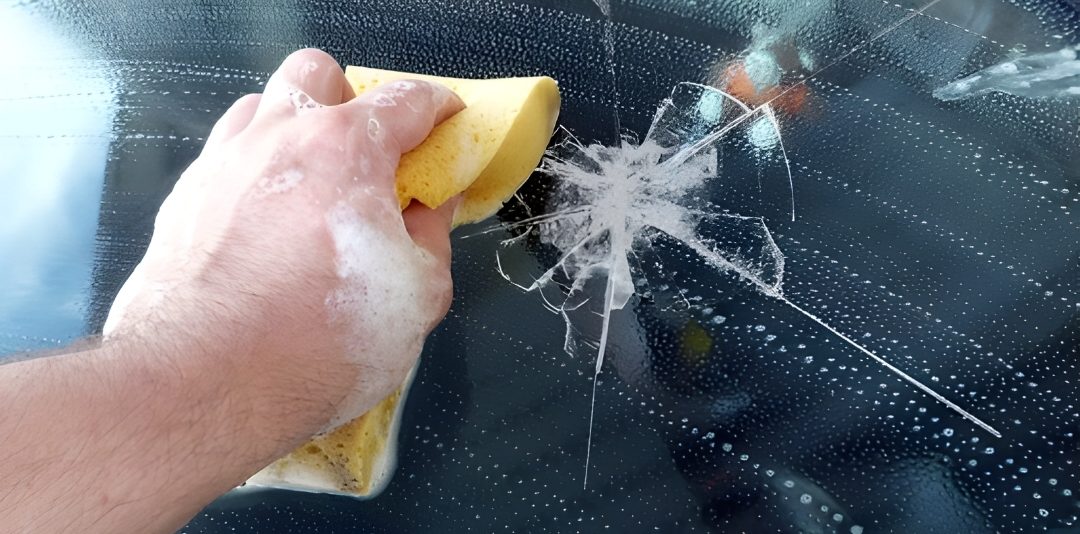
As the snow begins to melt in March and April, a new danger emerges from beneath the ice: road grit and gravel. Canadian municipalities spread millions of tonnes of traction-enhancing abrasives on the roads every winter, and as the ice clears, these small stones become projectiles. When a heavy truck kicks up a piece of granite at highway speeds, it strikes the glass with enough force to create a “bullseye” or “star” break. This is the critical moment where a proactive chip restoration service can save the day. If these small points of impact are caught early, the structural integrity of the glass can be reinforced, preventing the inevitable “spider-webbing” that occurs once the car hits a pothole or experiences further temperature shifts.
The corrosive impact of road salt and slush
While we rely on road salt to keep our highways navigable, the chemical reality of sodium chloride is devastating for automotive components. In 2026, many of the de-icing agents used on Canadian roads are designed to lower the freezing point of water even further, creating a salty “slurry” that clings to your vehicle. This mixture doesn’t just block your vision; it seeps into existing microscopic chips and begins to corrode the PVB (polyvinyl butyral) interlayer that holds your safety glass together. Over time, this chemical exposure weakens the bond between the glass sheets, making the entire unit more susceptible to shattering during a minor collision or even under the pressure of high-speed winds.
Moisture infiltration and the freeze-thaw cycle
Canada’s “shoulder seasons” in the spring and autumn are defined by the freeze-thaw cycle, where temperatures rise above zero during the day and plummet at night. This is particularly dangerous for a windshield that already has a minor blemish. During the day, melted snow or rain finds its way into the tiny crevices of a rock chip. As night falls and the temperature drops, that trapped water freezes and expands by approximately 9%. This expansion acts like a tiny wedge, physically prying the layers of glass apart from the inside out. This repetitive mechanical stress is the primary reason a small “dime-sized” chip in October often turns into a massive, jagged line by the first week of December.
Structural vibration and poor road conditions
The physical state of our infrastructure also plays a significant role in the longevity of your auto glass. Canadian winters are notorious for creating deep potholes through the constant expansion of water beneath the asphalt. When your vehicle strikes a significant bump or a deep pothole, the entire frame of the car undergoes a momentary twist or flex. In a healthy car, the windshield provides up to 30% of the structural cabin strength and is designed to handle this movement. However, if there is a pre-existing weakness, that sudden jolt provides the exact amount of energy needed to trigger “crack propagation.” This is why many drivers notice a crack suddenly jumping across the glass after hitting a rough patch of road.
Advanced ADAS technology and calibration requirements
Modern vehicles in 2026 are equipped with more than just glass; they feature complex digital ecosystems. Most windshields now house the cameras and sensors for Advanced Driver Assistance Systems (ADAS), such as lane-departure warnings and emergency braking. A crack in the Canadian climate is no longer just a visual nuisance; it is a system failure. If a fracture passes through the “camera window” at the top of the glass, it can distort the light and cause the vehicle’s safety computer to miscalculate distances. This technological integration means that even a minor blemish might necessitate a complete glass exchange followed by a specialized sensor recalibration process to ensure the car’s safety brain is accurately aligned with the road.
Preventative habits for the savvy canadian driver
While you cannot control the weather, you can control how you interact with it to minimize glass damage.
- Gradual heating: In the winter, avoid the temptation to blast the “defrost” setting on high immediately. Instead, allow the car to warm up slowly so the glass expands at a manageable rate.
- Increase follow distance: On gravel-heavy roads or behind construction vehicles, double your following distance to give projectiles time to lose their kinetic energy before they reach your vehicle.
- Regular cleaning: Frequent washing of the glass during the salt season prevents the build-up of corrosive chemicals that can etch the surface and weaken the glass over time.
Conclusion: staying proactive in a harsh environment
The Canadian climate is an unforgiving testing ground for automotive durability. Between the thermal shocks of our winters and the gravel-strewn highways of our springs, your windshield is constantly under fire. By understanding these common causes, you can take the necessary steps to protect your vehicle’s safety and structural integrity. Whether it is a quick resin injection to halt a spreading chip or a full glass replacement to restore your ADAS sensors, staying ahead of the weather is the best way to ensure your journey across our beautiful landscape remains clear and safe.
Don’t let a small winter chip become a major spring liability. By treating your vehicle to regular inspections and addressing minor issues before the next deep freeze, you contribute to a longer lifespan for your car and a safer driving experience for everyone on the road.
FAQs
-
- Can all windshield chips be fixed before they turn into cracks?
Generally, if a chip is smaller than a toonie and not in the driver’s direct line of sight or over a sensor, it can be stabilized with a professional resin injection. However, if moisture or salt has already begun to delaminate the glass, a more extensive fix may be required.
-
- Why do cracks seem to grow faster in the winter?
The combination of freezing water expansion inside the chip and the extreme difference between the cold exterior and the heated interior creates a “thermal shock” that forces the glass to pull apart, leading to rapid crack growth.
-
- Does road salt actually damage the glass itself?
While glass is highly resistant to chemicals, the fine grit mixed with road salt is abrasive and can “pit” the surface over time. Furthermore, salt can corrode the frame and seals, which eventually compromise how the glass sits in the vehicle.
-
- Is it safe to drive with a small crack on the passenger side?
In the Canadian climate, no crack is truly “safe.” Even a small fracture weakens the structural integrity of the cabin and can interfere with the proper deployment of the passenger-side airbag during an accident. It is always best to have it inspected as soon as possible.